

In the past, homeowners had no option to decorate their homes with the right lights. So, they were more focused on using light to illuminate the space rather than decorating. Things have changed with the introduction of different lighting fixtures. Among these, lamps and overhead lights have become very popular. However, many people seem confused about the difference between lamps VS overhead lighting.
Interestingly, many consider lamps an affordable option but less decorative. I don't agree with this since lamps, when used correctly, provide excellent visual appeal. Overhead lighting has always been top-notch and a premium, but less flexible. Interestingly, these lighting fixtures are a lot more different from each other. In this article, I will discuss the differences between lamps and overhead lighting. So, let's get started.
What are Lamps & Overhead Lighting?
Before discussing differences, let's have a bird's-eye view of these lighting fixtures.
Lamps are movable lighting fixtures that provide localized lighting. They are highly portable and can be used wherever you go.

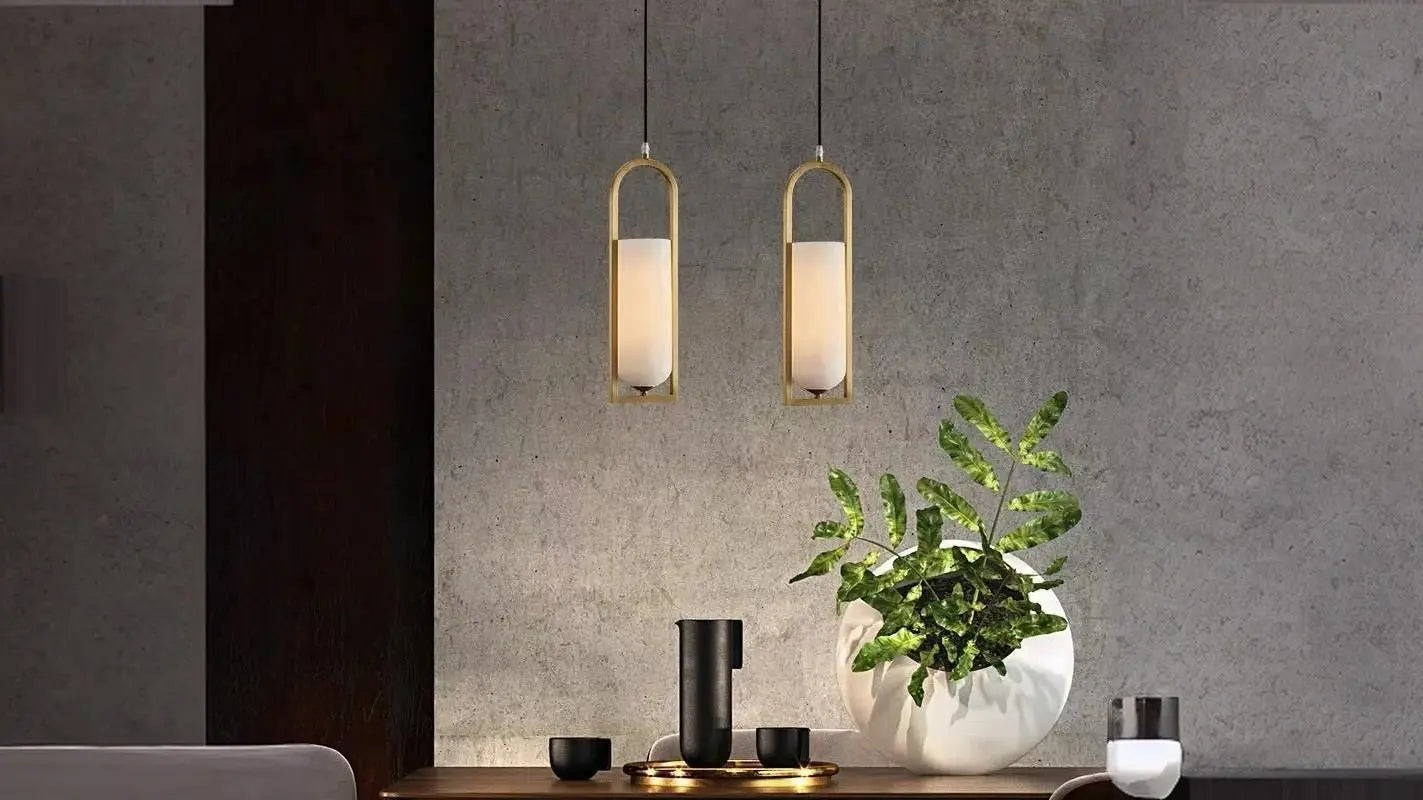
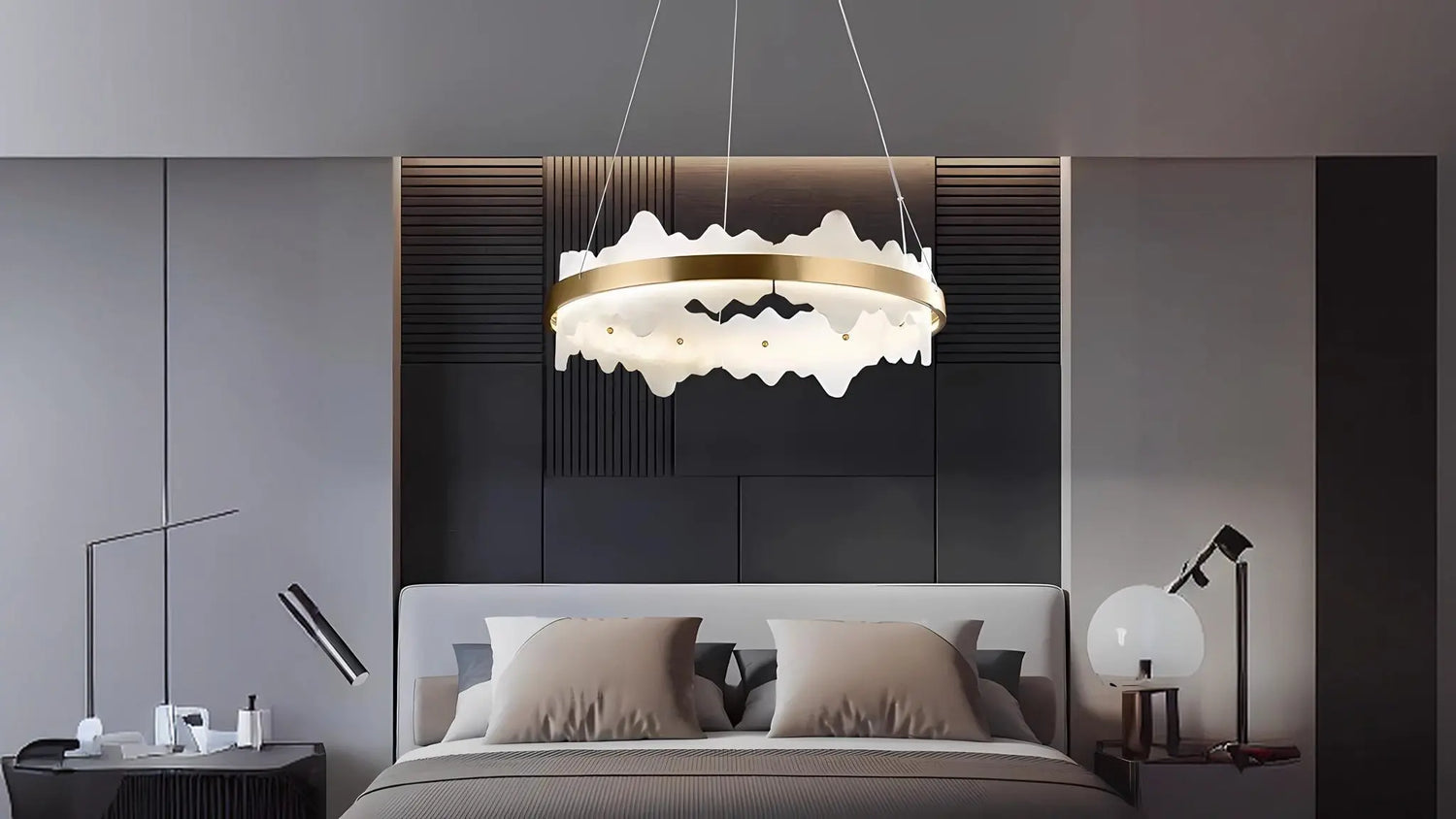
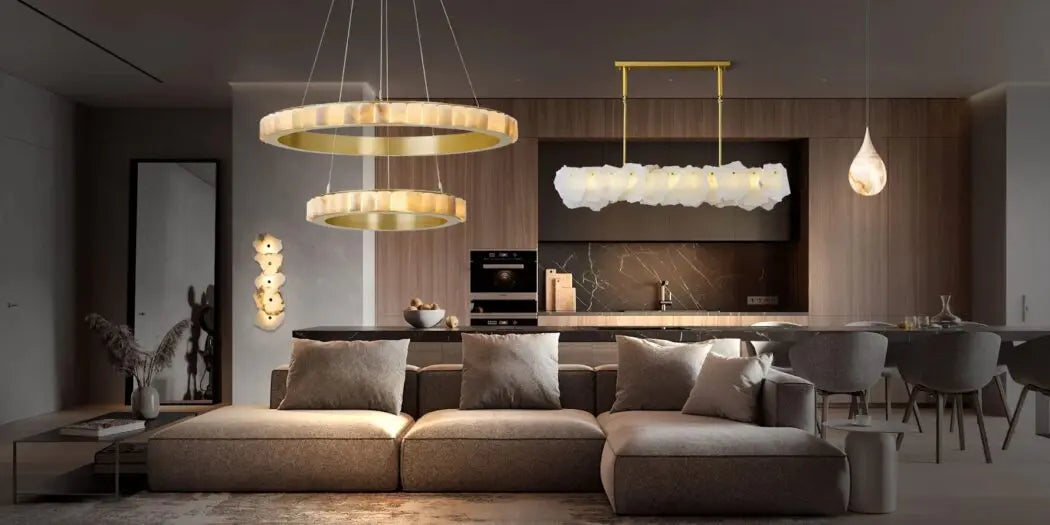
On the other hand, overhead lights are fixed and are generally installed on the ceiling of the rooms. They remain there, illuminating the entire room with evenly distributed light. The examples of these lights include chandeliers, pendants, and more.

Both lamps and overhead lights provide excellent illumination and make the space look modern. However, their purposes and use cases differ. Lamps are small lighting fixtures that you can carry around and use for task lighting. For example, you can place them on the study table and get optimal lighting for reading.
However, this light will be focused only on the table, and other areas of the room may not be well illuminated. On the flipside, overhead lights cannot be carried around since they are installed on the ceiling. They remain fixed and provide excellent, well-spread lighting. This lighting can easily illuminate the whole room, hallway, etc. There are different types of both overhead lighting and lamps.
Here is a table showing the types of these two lighting fixtures:
|
Types of Lamps |
Types of Overhead Lighting |
|
Chandeliers |
|
|
Floor Lamps |
|
|
Desk or Task Lamps |
Pendant Lights |
|
Arc Lamps |
Recessed Lighting |
|
Bedside Lamps |
Track Lighting |
When it comes to decorative appeal, both of these offer unique perspectives. The lamps are used for more warmth and a subtle effect. Conversely overhead lighting is more vibrant and prominent in a lighting setup. Imagine chandeliers hanging from the ceiling in the middle of the room. It creates an excellent visual feel in the room. Generally, overhead lighting and lamps are used together for smoother, more balanced lighting.
Differences Between Lamps & Overhead Lighting Fixtures
Lamps are ideal for minimalist interior designs. However, overhead lighting fixtures are ideal for homes with vibrant styling. Apart from differences in decorative appeal, these two lighting fixtures differ in many other aspects. Let's explore other key differences between lamps and overhead lighting fixtures.
1- Coverage Area
Coverage area is the primary difference between lamps and overhead lights. As I said earlier, lamps are portable and placed on the lower level, i.e., tables. So they produce more focused light, which can be optimal for reading or studying. Additionally, this lighting creates a cosy feel in the room, but it cannot evenly illuminate the whole room.
Overhead lights are installed at about 12 feet above the ground. So, the light they produce is more spread out and illuminates the whole room with ease. In fact, these lights can even illuminate hallways, balconies, and higher areas. Lamps are only suitable for task lighting or more focused lighting.
2- Installation Equipment & Complexity
Lamps require no installation equipment and are simple to use. As discussed above, these lighting fixtures are portable and can be used anywhere. All they need is a reliable power outlet or socket. You can connect the lamp to the socket, and that's it. Your lamp will start working and producing light. There is no complexity in operating lamps.
On the contrary, overhead lighting fixtures are very complex. They are permanently installed on the ceiling and require a complete installation. You'll have to arrange high-quality wires, brackets, mounting hardware, and so on. Additionally, these lights cannot be installed by laypeople due to their complex process. Therefore, you'll need a professional electrician to install the overhead lighting.
3- Portability & Energy Consumption (Electricity cost)
When it comes to portability, lamps win the debate. The reason is that they are highly portable and can be shifted from one place to another. This portability becomes very useful when you're redesigning your home and can move lamps around. On the other hand, overhead lighting fixtures cannot be moved once installed, as they are fixed to the ceiling.
Regarding energy consumption, lamps are better options. Why? That's because they generally have small bulbs in smaller numbers. These bulbs consume less energy and produce less light. Using lamps will reduce electricity costs. Conversely, overhead lights are larger and produce more light. So they use bigger bulbs with high power ratings. These bulbs consume more power, increasing electricity costs.
4- Layering Capability & Decor Impact
Lamps are a superior option regarding layering capability. The reason is that these light fixtures can provide different visual impacts. For example, lamps can produce both task and ambient lighting. Their soft glow ensures a cosy feel in the room while offering optimal illumination. In fact, many homeowners use lamps as the source of accent lighting.
On the other hand, overhead lighting fixtures cannot be layered. Undoubtedly, they provide more illumination and look appealing when hung from the ceiling. However, they cannot produce both accent and ambient lighting. Even homes with overhead lighting use lamps for accent lighting. Without lamps, overhead lighting alone cannot create a perfect decor impact in homes.
5- Best Places to Use Lamps & Overhead Lights
Lamps are used at a lower position, i.e., tables or room corners. However, they are not restricted in their use. Since they are flexible and portable, you can use them anywhere they fit. However, the ideal places to use lamps include reading nooks, workstations, over sofas, and bedside tables, among others.
On the other hand, overhead lighting fixtures are preferred in the rooms, dining rooms, hallways, and stairs. Why? That's because these places require more illumination. These overhead fixtures provide additional illumination and make these spaces easier to light.

However, there are different types of overhead lights, and each can fit different places.
Here is a table showing the best place to use for overhead lighting fixtures:
|
Overhead Light Type |
Best Place to Use |
|
Chandeliers |
Dining room, living room, entryway |
|
Pendant Lights |
Kitchen island, dining table |
|
Flush Mount |
Bedroom, hallway, bathroom |
|
Recessed Lighting |
Kitchen, office, modern living room |
|
Track Lighting |
Art displays, workspace, gallery |
6- Ceiling Height Requirement & Replacement
Interestingly, lamps require no ceiling height requirements. That's because they are not installed on the ceilings. Instead, they are placed on tables, bedside, or room corners for more focused lighting. On the flip side, overhead lighting fixtures require a specific ceiling height. A room with a 10-foot ceiling is best suited for overhead lighting.
However, these fixtures can also be installed in rooms with ceilings 8 to 9 feet high. Rooms with a height below 8 feet are not suitable for overhead lighting fixtures. Additionally, repairing and replacing lamps is easier and effortless. Conversely, the overhead lighting fixtures, such as chandeliers and pendants, are very complex.
You'll have to handle wires when replacing them, which makes it very tedious. Additionally, replacing or even cleaning these fixtures is very difficult and time-consuming. In most cases, overhead light repairs and replacements are handled by professional electricians. This means there is a regular electrician cost when you use overhead lighting fixtures in your home.
7- Initial and Ongoing Cost
Lamps stand out and are a suitable option if you want budget-friendly lighting. The reason is that lamps are not only affordable but also easier to maintain. There is literally no ongoing maintenance cost for them since they are smaller, simpler, and do not have any major issues. In contrast, the overhead lighting fixtures are very expensive. Remember, these lighting fixtures fall in the premium category and are suitable for luxury homes.
Additionally, installing these lights is costly, as it requires wiring and other hardware. The installation labour you pay electricians for cannot be ignored either. The overhead lighting fixtures also require regular maintenance, increasing their ongoing costs. Additionally, these lights consume more power due to high-wattage bulbs. So their use will increase your home's electricity costs as well.
Pros & Cons of Lamps & Overhead Lighting
In summary, lamps are best for accent or task lighting. The overhead lights are suitable for illuminating large spaces and require a more prominent lighting setup. Still confused about which of the lighting options to use? Worry not, I will outline the pros and cons to help you better understand these lights.
Pros of Lamps & Overhead Lighting
|
Pros of Lamps |
Pros of Overhead Lighting |
|
Portable & flexible |
Full-room coverage |
|
Cozy, warm ambiance |
Bright & consistent |
|
Easy to install |
Decorative statement |
|
Less energy consumption |
Enhances safety |
|
Adds coziness to the home's style |
Highlights architecture |
Cons of Lamps & Overhead Lighting
|
Cons of Lamps |
Cons of Overhead Lighting |
|
Limited coverage |
Can be harsh or glaring |
|
Multiple lamps needed for large rooms |
Fixed and not movable |
|
Can clutter space |
Installation cost & higher energy usage |
|
Dependent on outlets |
Harder to replace or repair |
Concluding: Which One to Choose, Lamps or Overhead Lighting?
Selection between lamps and overhead lighting should not be difficult. However, people generally make their selection challenging by mixing their use cases. I recommend choosing lamps if you need ambient or accent lighting. They produce a small, cozy glow to help you read and study at the table. However, they are not ideal for illuminating the whole room.
To illuminate the whole room, you'll need a large number of lamps. This would make the space look more overcrowded. You should choose overhead lighting when needed to illuminate more space. These include bedrooms, dining rooms, kitchens, hallways, and so on. Ideally, you should use both lamps and overhead lighting together in modern homes. They will produce both excellent illumination and visual appeal.